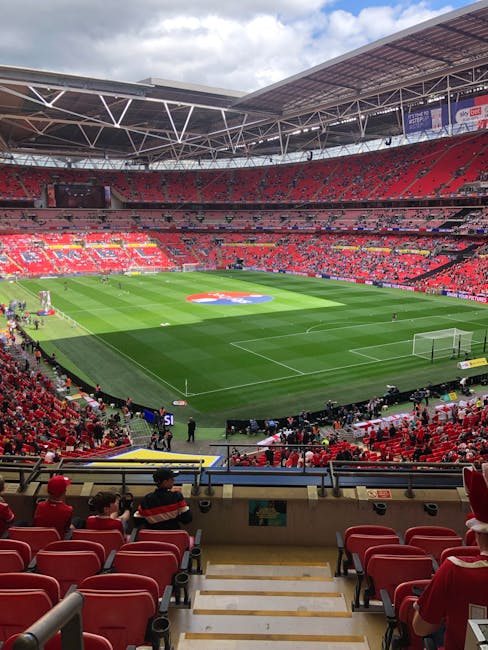
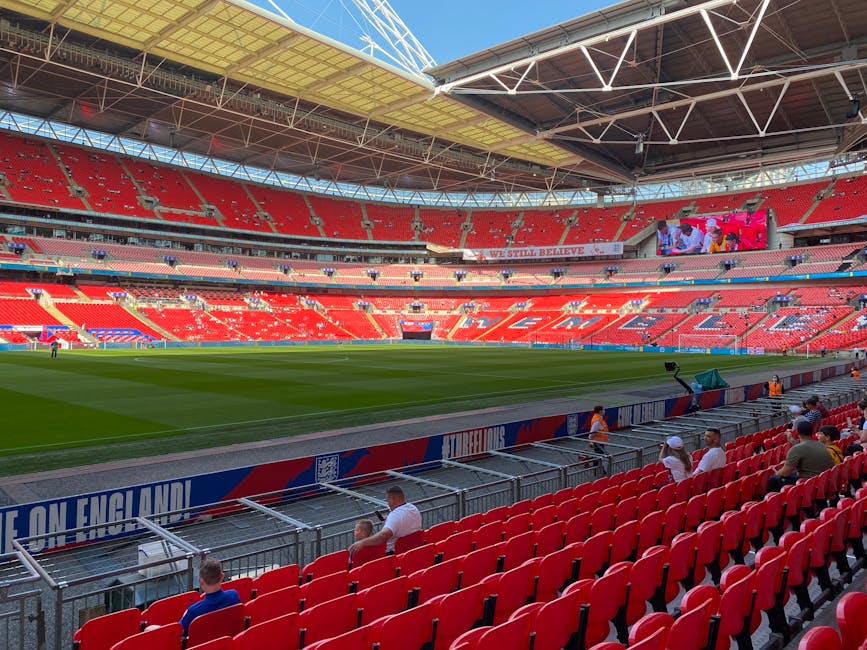
Wembley Stadium area carpet cleaning guide for venues
If you run a venue near Wembley Stadium, you already know the floor tells its own story. Rainy footfall, spilled drinks, tracked-in grit, and that unmistakable post-event smell can build up fast. This Wembley Stadium area carpet cleaning guide for venues is here to help you keep carpets looking presentable, safe underfoot, and ready for the next crowd without turning cleaning into a last-minute scramble.
Venues in busy event areas need a different approach from domestic carpet care. You are not just trying to make a carpet look tidy; you are managing wear, hygiene, drying time, public image, and opening hours. The good news? With the right plan, you can get excellent results without disrupting the venue. And yes, it is absolutely possible even after a packed match day or a full house gig.
Table of Contents
- Why this matters for Wembley venues
- How venue carpet cleaning works
- Key benefits and practical advantages
- Who needs this and when it makes sense
- Step-by-step guidance
- Expert tips for better results
- Common mistakes to avoid
- Tools, resources and recommendations
- Law, compliance, standards and best practice
- Options, methods, and comparison table
- Case study or real-world example
- Practical checklist
- Conclusion
- Frequently asked questions
Why Wembley Stadium area carpet cleaning guide for venues Matters
The Wembley Stadium area is not a quiet corner of London. It is an event-led environment where hospitality spaces, meeting rooms, waiting areas, offices, bars, and back-of-house corridors all take a beating. That matters because carpet condition affects more than appearance. It can affect first impressions, odour control, slip risk, and even how long a venue stays usable after a busy event.
In our experience, venues near major attractions tend to hit the same problems again and again: fine dust from outside, moisture from wet coats and shoes, food and drink spillages, and compacted dirt in entry points. Left too long, these issues settle into the fibres. The carpet starts to look grey at the edges, traffic lanes appear, and the room loses that fresh, cared-for feel. Not ideal when guests are paying attention before they even sit down.
For venue operators, regular carpet care is also about protecting assets. A well-maintained carpet lasts longer, looks smarter, and usually needs fewer emergency interventions. If you are already planning wider upkeep, it can make sense to coordinate carpet work alongside commercial cleaning or deeper refreshes such as deep cleaning, especially before a high-footfall weekend.
Practical takeaway: in a venue setting, carpet cleaning is not a cosmetic extra. It is part of keeping the whole space usable, safe, and credible.
How Wembley Stadium area carpet cleaning guide for venues Works
Venue carpet cleaning usually follows a simple pattern: inspect, pre-treat, clean, extract moisture, dry, and check the result. The exact method depends on the type of carpet, the amount of soil, how soon the room must be back in use, and whether there are delicate trims or glued installations. Truth be told, the clever bit is not just the machine; it is choosing the right process for the carpet in front of you.
The most common professional approach is hot water extraction, often referred to as steam cleaning in everyday conversation, though it is not literally steam alone. It uses heated water and cleaning solution to loosen dirt, then extracts the moisture and debris back out. For many venue carpets, especially in lobbies and circulation spaces, this is the workhorse method because it goes deep without leaving a heavy residue.
Other methods have their place too. Low-moisture cleaning can help when drying time is tight. Encapsulation can be useful for maintenance cleans in occupied spaces. Spot treatment matters for individual stains, because a full clean does not always remove every mark. If your venue also has textile furnishings nearby, it can be worth pairing the carpet work with upholstery cleaning or even curtain cleaning so the room does not look half-finished.
The basic flow is usually this:
- Walk the area and identify stains, wear zones, and hazards.
- Vacuum thoroughly to remove dry soil first.
- Test a small hidden patch if the fibres or backing are uncertain.
- Apply targeted pre-spray or stain treatment.
- Clean using the method best suited to the carpet and timetable.
- Extract excess moisture carefully.
- Speed up drying with airflow and sensible room management.
- Inspect edges, corners, entrances, and high-traffic lanes again.
That last check is often where the difference shows. A room can look fine in the middle and still have grime collecting around skirting lines and door thresholds. Easy to miss, annoyingly common.
Key Benefits and Practical Advantages
Good carpet cleaning in a venue is about much more than "looking clean". It supports the whole guest experience. People notice when the entrance feels fresh, the floor does not smell stale, and the carpet gives a well-kept impression even on a wet London afternoon. It is a subtle thing, but it changes how the space feels.
Here are the main benefits venue managers usually care about:
- Better presentation: carpets look brighter, more even, and less tired under artificial lighting.
- Improved hygiene: dirt, drink residue, and everyday contaminants are lifted from the fibres rather than just moved around.
- Longer carpet life: regular extraction of grit reduces fibre abrasion and premature wear.
- Odour control: stale smells from spills, weather, and heavy use are reduced.
- Safer underfoot conditions: correct cleaning and drying help limit slip concerns linked to damp patches or residue.
- Better event readiness: rooms can be turned around more confidently between bookings.
There is also a commercial benefit that sometimes gets overlooked. A venue with clean floors often needs less "cosmetic damage control" elsewhere. Staff spend less time apologising for appearances, and front-of-house teams can focus on service instead of explaining away a patchy carpet. That sounds small. It really is not.
If your venue is part of a larger commercial portfolio, you may also want to compare the timing with office cleaning or commercial carpet cleaning so everything is scheduled in one sensible block.
Who This Is For and When It Makes Sense
This guide is for anyone responsible for a public-facing or semi-public venue around Wembley Stadium. That might be a hotel, a bar, a hospitality suite, a meeting room suite, a theatre-style space, serviced offices, a community venue, or a multi-use hall. If people walk through it with muddy shoes, takeaway cups, or umbrellas on a miserable Tuesday, it belongs in this conversation.
It also makes sense for property managers and facilities teams who are trying to reduce reactive cleaning. You know the pattern: one spill becomes one dark patch, then one complaint, then a rushed call-out. Better to get ahead of it. A bit dull perhaps, but dull is good when you are protecting expensive carpet and keeping operations smooth.
Venue carpet cleaning is especially worthwhile when:
- footfall is heavy or seasonal;
- the venue hosts events with food and drink service;
- there are visible traffic lanes near entrances or bars;
- odours have started to linger;
- the carpet has not had a proper extraction clean in a while;
- you are preparing for inspections, VIP bookings, or a relaunch;
- there has been water ingress, spill damage, or post-build dust.
If the space has just come out of works, a combination of after builders cleaning and carpet care can be the right sequence, because fine construction dust can settle deep into textile flooring very quickly.
Step-by-Step Guidance
Below is a practical approach that works well for venues. It is not glamorous, but it is effective. And honestly, that is what matters.
1) Start with a proper survey
Look at the type of carpet, the age, the level of wear, any stain patterns, and where the worst build-up sits. Entrances, queuing areas, service corridors, and seating edges are usually the hotspots. Note any loose tiles, damaged seams, or areas with water marks before you clean. It sounds obvious, but under pressure people skip this part and regret it later.
2) Decide how much disruption the venue can handle
Some spaces can close for a full clean. Others need phased work overnight or early morning. A venue near Wembley often has narrow windows between bookings, so drying time and access routes matter. You do not want a damp lobby when the next wave of guests arrives.
3) Vacuum thoroughly
Dry soil is what wears carpets down. Remove it first. Go slowly in traffic lanes and along edges. If you vacuum too quickly, you are basically giving the floor a light massage and calling it a clean. Not quite enough.
4) Pre-treat problem areas
Apply the correct spot treatment to visible marks, but do not flood stains. Ink, drink, grease, food colouring, and shoe marks usually need different handling. On venue carpets, the trick is restraint. Too much product can leave a sticky residue that collects dirt even faster.
5) Clean with the right method
For heavily used venue carpets, hot water extraction is often the best choice. For lighter maintenance between full cleans, a low-moisture method may be more practical. A good contractor will match the method to the pile, fibre type, and timetable rather than using the same process everywhere.
6) Manage moisture and drying
This stage is where professionalism shows. Good extraction, airflow, and room management help carpets dry faster. Open space as much as possible, use ventilation sensibly, and avoid rushing foot traffic back too soon. A clean carpet that is still damp is not really finished.
7) Inspect the result
Check the room again in daylight if possible, or under the venue's normal lighting if that is what guests will see. That helps you spot shadows, streaking, and remaining spots. High-traffic spaces often need a second pass on entrances or drink zones. Fair enough - those areas take the punishment.
Expert Tips for Better Results
A few habits make a big difference in venue work. None of them are complicated, but they save time and reduce headaches.
- Clean before soil gets ground in: routine maintenance is easier than trying to rescue a carpet after months of traffic.
- Use entrance matting properly: it is one of the simplest ways to cut down on grit in the first place.
- Keep stain logs: if the same spill type keeps appearing in one area, you can adjust your cleaning approach.
- Separate spot treatment from full cleaning: some marks need individual attention before the main pass.
- Test delicate fibres first: blends, antique textiles, and some dyed carpets need caution.
- Plan around weather: wet weeks in London bring more moisture and more tracked-in dirt, especially around entrances.
One practical tip from experience: if a venue hosts food service, clean the areas nearest serving points a little more often than the rest. It sounds minor, but that is where crumbs, oils, and sticky residues tend to accumulate. The smell gives it away before the eye does.
Also, keep an eye on nearby hard floors. In mixed venues, carpets and tiles often share the same dirt pattern. Pairing carpet work with hard floor cleaning can make the whole venue feel more consistent and reduce the sense that only half the building has been looked after.
Common Mistakes to Avoid
Most carpet cleaning problems in venues are not dramatic disasters. They are ordinary mistakes repeated often. That is why they matter.
- Using the wrong cleaning method: not every carpet likes the same treatment, and over-wetting can create more issues than it solves.
- Leaving stains too long: fresh spillages are usually much easier to treat than old, set-in marks.
- Skipping edge work: dirt collects along skirtings, under furniture lines, and around doorways.
- Overusing chemicals: residue attracts soil and can make the carpet feel tacky.
- Not allowing enough drying time: this can cause odour, re-soiling, and guest complaints.
- Cleaning only when carpets look bad: by then, wear is often already advanced.
Another common issue is trying to do everything during peak operating hours. Let's face it, that rarely goes smoothly. The best results usually come from a cleaner window, even if that means early starts, late finishes, or a planned overnight slot.
Tools, Resources and Recommendations
You do not need an enormous kit to manage venue carpets well, but you do need the right tools for the job. The essentials are fairly straightforward.
- Professional vacuum cleaners: especially ones with strong edge-cleaning ability.
- Spot cleaning products: matched to common venue stains like drinks, grease, and tracked-in dirt.
- Extraction equipment: for deep cleans and heavy-use carpets.
- Low-moisture systems: useful when fast turnaround matters.
- Air movers or strong ventilation: to support drying where appropriate.
- Protective equipment: gloves and sensible safety gear for operators.
If you are comparing service levels, it can help to look at steam carpet cleaning alongside maintenance options such as one-off cleaning or more regular schedules like regular cleaning. The right choice usually depends on footfall, downtime, and how often the venue changes use.
For venues with a wider textile mix, you might also need rug cleaning for decorative pieces or stain removal for isolated problem areas. No need to treat every mark like a crisis if it can be tackled properly and calmly.
Law, Compliance, Standards, or Best Practice
For venue operators in the UK, cleaning is not usually a single legal "carpet rule" issue. It sits within wider duties around health and safety, maintenance, risk management, and providing a reasonably safe environment for staff and visitors. The exact obligations depend on the building, lease, and use of the space, so caution is sensible here.
Best practice is to keep cleaning aligned with your venue's own risk assessments, manufacturer guidance for carpet care, and internal safety procedures. If wet cleaning is used, make sure access is controlled until the surface is dry enough for safe use. That is a straightforward one, but it is still where many complaints begin.
It is also sensible to work with providers who can speak clearly about insurance, method statements, and site safety. If that matters to you, the venue owner or facilities lead may want to review insurance and safety and the broader health and safety policy before booking work.
For venue managers, the best rule of thumb is simple: choose a process that cleans effectively, dries responsibly, and does not interfere with public safety. That usually keeps everyone happier, including the accountant.
Options, Methods, or Comparison Table
Different venue carpets need different methods. Here is a practical comparison to help you weigh the options without turning it into a research project.
| Method | Best for | Strengths | Watch-outs |
|---|---|---|---|
| Hot water extraction | Heavily used venue carpets, deep soil, visible dullness | Deep clean, strong soil removal, good for periodic resets | Needs drying time and careful moisture control |
| Low-moisture cleaning | Busy venues with limited downtime | Quicker turnaround, useful between fuller cleans | May not lift the deepest soil on its own |
| Encapsulation | Maintenance cleaning in commercial spaces | Fast, efficient, can support regular upkeep | Less suitable for heavily stained or neglected carpets |
| Spot treatment only | Small isolated stains | Targeted, low disruption, cost-effective for single marks | Not a substitute for full cleaning |
If you want a simple rule: full extraction for a proper refresh, low-moisture methods for maintenance, and spot work for the awkward one-offs. That combination works well for most venue operators near Wembley Stadium.
Case Study or Real-World Example
Picture a mid-sized venue used for corporate hospitality and private events. The main entrance sees constant footfall, there is a carpeted lounge area, and the space regularly hosts evening functions. Over time, the entrance starts looking darker than the rest of the room. The edges feel slightly sticky underfoot, and there is a faint stale smell the staff notice more than guests do. Classic.
The first step is a survey. The worst wear is found at the entrance, around the bar zone, and along one corridor where guests tend to queue. Instead of cleaning everything in one go during service hours, the work is split into an early-morning session. The team vacuums carefully, treats a few drink marks, and uses a deep-clean method on the main carpeted space. The entrance matting is refreshed too, because otherwise the problem just comes back.
By late morning, the carpet is visibly brighter and the room feels fresher. More importantly, the venue team now has a sensible maintenance plan: a deeper clean on a rota, faster spot treatment for spills, and regular attention to the highest-traffic areas. Nothing magical. Just a solid routine. That is usually what works.
Practical Checklist
Use this checklist before and after venue carpet cleaning. It keeps things simple when there is a lot going on.
- Identify the carpet type and note any fragile or damaged areas.
- Check footfall patterns, entrance points, and spill-prone zones.
- Confirm the best cleaning window and drying allowance.
- Vacuum thoroughly before applying any liquid treatment.
- Pre-treat visible spots carefully and selectively.
- Choose the correct cleaning method for the carpet and timetable.
- Control moisture and improve airflow after cleaning.
- Inspect edges, corners, thresholds, and under-furniture areas.
- Document repeat stains or recurring problem zones.
- Schedule the next clean before the carpet starts looking tired again.
Quick summary: the best venue carpet cleaning plan is the one that fits your footfall, protects drying time, and treats maintenance as routine rather than emergency work.
If you are planning a bigger refresh across the site, it may also be worth checking recycling and sustainability and pricing and quotes so the cleaning plan fits both your operational and budget expectations.
Get a free quote today and see how much you can save.
Conclusion
Carpet cleaning for venues near Wembley Stadium is really about control: control of appearance, odour, wear, and downtime. Get the process right and the whole venue feels calmer, sharper, and easier to manage. Guests notice that. Staff notice it too, even if they do not say so out loud.
The smartest approach is usually a steady one: inspect regularly, clean before problems become visible, and match the method to the real conditions in the building. That way, the carpet stops being a recurring headache and starts doing its job quietly in the background. Which, to be fair, is exactly what good venue flooring should do.
Frequently Asked Questions
How often should venue carpets near Wembley Stadium be cleaned?
It depends on footfall, event frequency, and whether food and drink are served. High-traffic venues often need a mix of regular maintenance cleaning and periodic deep cleaning rather than waiting until carpets look obviously dirty.
Is steam carpet cleaning safe for commercial venues?
Yes, when it is matched to the carpet type and handled properly. The main thing is moisture control. If drying is managed well, steam-style hot water extraction can work very effectively in venues.
What is the best carpet cleaning method for a venue with limited downtime?
Low-moisture cleaning is often the best fit when turnaround time is tight. That said, some carpets still need a deeper extraction clean from time to time, so the ideal plan may combine both.
Can carpet cleaning remove drink stains in hospitality spaces?
Often yes, especially if the stain is treated promptly. Older marks can be trickier. The longer a spill sits, the more likely it is to bond with the fibres and leave a shadow.
Will cleaning make the carpet too wet for same-day use?
It should not, if the method is chosen properly and enough drying support is provided. Same-day use is often possible in commercial settings, but this should always be planned rather than assumed.
What areas of a venue get dirty fastest?
Entrances, queuing areas, bar zones, corridors, and seating edges tend to collect the most soil. In a Wembley event environment, outside weather and heavy footfall make those spots wear out faster.
Do I need professional carpet cleaning for a small venue?
Not always, but professional cleaning is usually worth considering if the carpet sees frequent public use, if stains are recurring, or if you need a reliable finish before an event. Small venues still get big amounts of wear.
How do I reduce carpet wear between cleans?
Use entrance mats, vacuum regularly, treat spills quickly, and keep a sensible cleaning schedule. A little prevention goes a long way. Honestly, it saves far more work than most people expect.
Can carpet cleaning help with odour issues?
Yes, especially when smells are caused by trapped soil, spills, or moisture. If odours keep returning, it may also be worth checking ventilation, hidden damp patches, or adjacent textiles like curtains and seating.
What should venue managers ask before booking a carpet cleaning service?
Ask about the cleaning method, drying time, insurance, access needs, stain treatment, and whether the team can work around your opening hours. Clear answers usually tell you a lot about how organised the service will be.
Can I combine carpet cleaning with other venue cleaning tasks?
Yes, and that is often the smartest way to do it. Many venues combine carpet work with commercial cleaning, window cleaning, or other scheduled upkeep so the whole place is refreshed in one coordinated visit.
What is the biggest mistake venues make with carpet cleaning?
Leaving it too late. Once soil has been pressed deep into the fibres for months, cleaning becomes harder, drying can take longer, and the carpet may never fully recover its original look. Regular care is the quieter, cheaper win.
For venues around Wembley Stadium, the best carpet care plan is the one that fits real life: busy days, short windows, and lots of feet on the floor. Keep it steady, keep it practical, and the space will feel better for everyone who walks through it.