Communal Area Cleaning in Brent
If you manage or live in a shared building, you already know how quickly a hallway, stairwell, entrance lobby, or lift area can start to look tired. Smudges on glass, dust along skirting boards, footprints on the stairs, overflowing bins, and general wear from daily traffic can make even a well-kept property feel neglected. Communal area Cleaning in Brent is designed to keep those shared spaces clean, safe, and presentable for residents, visitors, tenants, and staff.
Brent is a busy, varied part of North West London, with everything from apartment blocks and converted terraces to mixed-use developments, sheltered housing, office buildings, and managed estates. Each building type creates different cleaning needs. A quiet residential block near Queens Park will not need the same approach as a high-traffic property in Wembley, Kilburn, Harlesden, Neasden, or Cricklewood. That is why choosing a local team matters: it helps ensure the service is practical, responsive, and suited to the way your building is actually used.
Whether you are a freeholder, landlord, property manager, resident association member, block manager, or commercial occupier, a reliable communal cleaning service can help protect the appearance of the building and reduce everyday issues before they become bigger problems. From regular maintenance to one-off deep cleaning support, the right service can make a noticeable difference to the standard of your communal spaces.
Why communal area cleaning matters for Brent properties

Shared areas are the first part of a building that people see, and they are also the parts that suffer the most use. Residents carry in dirt from outside, parcels are dropped on floors, bins are moved in and out, and handrails, switches, and doors are touched all day. In a high-footfall property, this can build up quickly. Regular cleaning helps keep those areas pleasant and hygienic for everyone who uses them.
In Brent, many homes and buildings are close to transport routes, busy roads, local shops, and schools. That means dust, grit, pollen, and street debris can find their way into entrances and staircases more easily than people expect. A cleaning plan tailored to the building can help control that build-up and maintain a tidier look throughout the week.
Good communal cleaning also supports the long-term condition of the property. Dirt left to settle on floors, paintwork, or metal fittings can become harder to remove over time. Marks on walls, grime on bannisters, and stains on flooring do not just affect appearance; they can also increase maintenance needs. Regular shared-area cleaning helps reduce that wear and keeps the building looking cared for.
Who needs communal area cleaning services?

This type of cleaning is useful for a wide range of customers across Brent. It is not limited to large apartment blocks. In fact, many smaller properties also need dependable communal upkeep because shared areas can become untidy very quickly when several households use the same entrance, stairs, or landing.
Typical customers include:
- Residential block managers and managing agents
- Freeholders and landlords
- Resident management companies and housing associations
- Owners of converted houses and maisonettes
- Commercial landlords and mixed-use property managers
- Office buildings with shared entrances, toilets, or corridors
- Sheltered accommodation and retirement properties
In places such as Wembley, Tokyngton, Willesden, Dollis Hill, and South Kenton, buildings often have shared lobbies, lift areas, corridors, bin stores, and external walkways that need routine attention. A cleaning service can be arranged around occupancy patterns, access arrangements, and the specific layout of the building.
What is included in communal area cleaning?
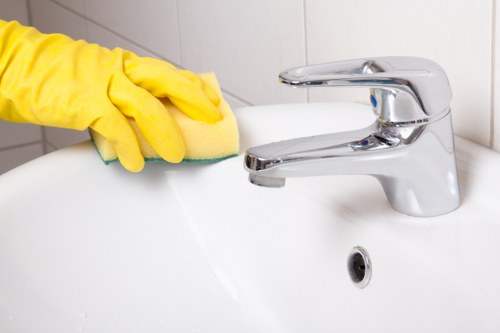
The exact service can be shaped around the property, but most communal area cleaning in Brent includes a combination of routine tasks that keep shared spaces looking neat and hygienic. The focus is on visible cleanliness as well as practical upkeep, so residents and visitors have a better day-to-day experience.
Common tasks may include:
- Cleaning entrance lobbies and reception areas
- Vacuuming, sweeping, or mopping hallways and stairs
- Wiping handrails, bannisters, push plates, and door handles
- Cleaning internal glass, mirrors, and lobby panels
- Dusting ledges, skirting boards, light switches, and mail areas
- Removing cobwebs from corners and upper walls where accessible
- Cleaning lift interiors and lift-call buttons
- Emptying communal bins and replacing liners where agreed
- Spot-cleaning marks from walls, doors, and shared surfaces
- Maintaining bin stores, shared utility spaces, and service corridors
Some buildings also need additional attention such as periodic deep cleaning, carpet cleaning in shared hallways, or washroom cleaning in commercial communal facilities. If your property has a particular requirement, it is sensible to ask for a service that can be adapted rather than a rigid checklist that does not fit the building.
How the service works
A good cleaning service should be simple to arrange and straightforward to maintain. Local customers often want clarity on what happens after they enquire, how access is managed, and how the service is scheduled. The process is usually designed to be as smooth as possible for residents and property managers.
It often begins with an initial discussion about the building, its size, the number of floors, the amount of foot traffic, and any problem areas. This helps define the right frequency and scope. A small block in Kilburn may only need a modest weekly service, while a larger estate in Wembley Park or Harlesden might require more frequent visits due to heavier use.
After that, the service schedule can be agreed around access arrangements, cleaning priorities, and any instructions for keys, codes, fobs, or concierge entry. Many properties in Brent have parking restrictions, permit-controlled streets, or limited loading space, so planning the visit properly matters. A local team that understands these challenges can save time and avoid unnecessary disruption.
Typical service flow
- Discuss your property’s cleaning needs and building layout.
- Agree the tasks, frequency, and access method.
- Carry out routine communal cleaning visits at arranged times.
- Monitor the condition of shared spaces and adjust the service if needed.
- Provide additional one-off support for seasonal or exceptional cleaning needs where appropriate.
This approach helps keep things consistent, especially in buildings where different residents have different expectations about shared-space standards. A clear routine also reduces confusion about who is responsible for what and helps the communal areas stay tidy between visits.
Why local knowledge matters in Brent

Choosing a local company for Brent communal cleaning can make a real difference. Brent is diverse in building type, parking conditions, road access, and daily foot traffic. A team familiar with the borough is more likely to understand the realities of working in busy residential streets, estate environments, and mixed-use developments.
For example, some properties have narrow entrances, shared courtyards, basement access, or stairwells with limited space for equipment. Others are on streets where parking is difficult or timed, or where the cleaner must work around school runs, deliveries, or market-day traffic. In areas such as Neasden, Wembley, Cricklewood, and Harlesden, that local knowledge can help the service run more efficiently.
Local cleaners are also often more responsive when a property needs an extra visit, a change in routine, or attention after a tenant move-out, refurbishment, or event. That can be especially helpful for building managers who want a reliable solution without long delays or complicated arrangements.
Benefits of professional communal area cleaning
There are practical, visual, and operational reasons to invest in a professional service. While residents may occasionally tidy shared spaces themselves, that rarely provides the consistency required for a busy building. A professional service helps establish a dependable standard and keeps the property looking cared for over time.
Key benefits include:
- A cleaner and more welcoming first impression
- Improved hygiene in high-touch areas
- Less build-up of dust, litter, and grime
- Better presentation for prospective tenants, visitors, and buyers
- Reduced strain on residents and building staff
- Support for long-term maintenance of floors, paintwork, and fittings
- More consistent standards across shared areas
There is also a comfort factor. Residents tend to feel better in buildings that are visibly looked after. Clean stairs, tidy entrances, and fresh-smelling corridors create a more positive atmosphere and can help reduce complaints about shared spaces. For commercial premises, a well-maintained communal environment can support staff morale and present a more professional image to clients and visitors.
Small details that make a big difference
Attention to detail is one of the most valuable parts of this service. It is often the small things that change how a building feels: polished handrails, clean door frames, dust-free skirting, and tidy bin areas. These details can be easy to miss in a busy building, but they are also among the most noticeable when they are done well.
Areas covered across Brent

Brent includes a wide mix of neighbourhoods and property styles, so communal area cleaning needs to be flexible. A service can typically be arranged for many parts of the borough, including but not limited to Wembley, Wembley Park, Harlesden, Willesden, Kilburn, Neasden, Cricklewood, Dollis Hill, Queens Park, Tokyngton, Stonebridge, Preston, Alperton, and South Kenton.
Different locations bring different practical considerations. Larger developments near major roads may need more frequent cleaning due to dust and heavier traffic. Older converted buildings may need more attention on stairs, landings, and entrances. New-build blocks often require careful upkeep of modern surfaces, glass, stainless steel, and lift areas so they continue to look their best.
Whether your property is a small residential building near a local high street or a large estate with several entrances, the service can be planned around the way people actually use the building. That makes it easier to maintain a steady standard and avoid the patchy results that often happen when cleaning is left to chance.
What customers should prepare before the first visit
Preparing for communal area cleaning does not need to be complicated, but a little organisation helps the first visit go smoothly. If you manage the property, you may already know where the key access points, refuse storage areas, and problem spots are. Sharing this information upfront can save time and reduce missed details.
Useful preparation steps include:
- Confirming access arrangements, keys, or entry codes
- Identifying the main communal areas to be cleaned
- Noting any fragile surfaces, alarmed doors, or restricted rooms
- Letting the cleaner know about parking or loading limitations
- Advising on preferred visit times if the building is busy at certain hours
- Highlighting recurring issues such as bin overflow, litter, or stairwell marks
Residents can also help by keeping personal belongings out of shared corridors and ensuring bins are placed where they should be. That said, the service should not depend on perfect behaviour from everyone in the building. The purpose of professional cleaning is to bring consistency even when day-to-day use is varied.
Helpful note for building managers
If your building has frequent turnover, subletting, short-term lets, or a mix of owner-occupiers and tenants, a regular cleaning routine becomes even more valuable. These buildings often experience more foot traffic and less predictable use of shared spaces.
Pricing factors for communal area cleaning
Customers often want to understand what affects the cost of communal area cleaning before they ask for a quote. While exact prices are not fixed here, several factors usually influence the service structure and final quotation.
Common pricing factors include:
- Size of the building and number of floors
- Frequency of cleaning visits
- Number of communal areas to be maintained
- Whether the building has lifts, bin stores, or external walkways
- Condition of the property and level of build-up
- Need for deep cleaning or periodic additional tasks
- Access time, parking considerations, and site restrictions
- Any specialist requirements for flooring, glass, or surfaces
A property that needs regular light maintenance will naturally be different from one that has not had proper upkeep for a while and requires a reset before routine cleaning can begin. The best way to avoid uncertainty is to request a site-specific quote based on the actual layout and standard required.
Contact us today to request a free quote for your building or estate. If you want a cleaner, more presentable shared environment in Brent, a tailored cleaning plan is the best place to start.
Why choose a local company for shared-area cleaning?
There are many reasons local customers prefer a nearby team. A local company is generally easier to schedule, more familiar with the borough, and better placed to adapt when building needs change. This is especially important for properties with changing occupancy, frequent deliveries, or strict access rules.
Local service is also useful because it tends to be more practical. If there is a holiday period, an emergency clean request, or a need to revisit a neglected area, a Brent-based team can often respond more efficiently than a distant provider. For busy property managers, that can reduce stress and help keep standards on track.
In addition, local cleaners are more likely to understand the expectations of different property types. A modern development in Wembley Park, for instance, may require a more polished finish and attention to glass and stainless steel, while a traditional block in Kilburn might need careful stair and landing cleaning with attention to older finishes.
What a dependable local service should offer
- Clear communication about the cleaning scope
- Flexible service schedules
- Respect for residents, occupiers, and shared spaces
- Awareness of building-specific access rules
- Ability to support both residential and commercial properties
- Consistency across routine visits
When these things are in place, the service becomes much easier to manage and more effective in the long term.
Residential and commercial communal cleaning in Brent
Not every shared space is the same. Residential communal areas usually focus on entryways, stairs, landings, corridors, lift spaces, and bin stores. Commercial shared spaces may include reception areas, office corridors, staff kitchens, washrooms, or mixed-access lobbies. The cleaning needs may overlap, but the priorities are often different.
For residential buildings, appearance and hygiene are usually the main concerns. Residents want clean floors, tidy entrances, and a building that feels cared for. For commercial premises, presentation and practical cleanliness can have a stronger impact on staff experience and visitor impressions. In mixed-use buildings, both sides need to be balanced carefully.
Communal area Cleaning in Brent can be adapted for all of these situations. The key is to create a routine that suits the property rather than forcing the property to fit a generic routine. That approach tends to produce better results and a smoother relationship between cleaners, residents, and managers.
FAQs about communal area cleaning
How often should communal areas be cleaned?
It depends on the building size, number of residents or users, and how quickly dirt builds up. Some properties need cleaning several times a week, while smaller buildings may only need weekly visits. High-traffic buildings often benefit from more frequent attention.
Can the service be adjusted for different building layouts?
Yes. Communal cleaning should be tailored to the property. A block with lifts, multiple stairwells, basement access, and bin stores will need a different plan from a small converted house with one main entrance and a few landings.
Do cleaners work around access controls and resident schedules?
They should. Many buildings in Brent have fobs, codes, timed entry, or specific windows when cleaning is most convenient. A local team can usually work around those arrangements without causing unnecessary disruption.
Is communal cleaning suitable for older properties?
Yes. Older buildings often need careful attention because stairs, bannisters, and surfaces can show wear more easily. The cleaning plan can be adjusted to respect the building materials and condition.
Can one-off deep cleaning be arranged?
In many cases, yes. A one-off deep clean can be useful after refurbishment, tenant turnover, seasonal buildup, or a long gap between regular visits. It can also be used to bring a property back to a better standard before routine maintenance begins.
What if the building has parking restrictions?
That is common in Brent, particularly on busy streets or in controlled parking zones. A local service is more likely to plan ahead for access, timing, and equipment so the visit goes smoothly.
Do you clean bin areas as part of the service?
Often, yes, if it is agreed in the cleaning scope. Bin stores and waste areas can become unpleasant very quickly, so many property managers choose to include them in the routine.
Book your communal area cleaning service in Brent
If your building’s shared spaces need regular attention, a structured cleaning service can help you maintain the right standard without placing pressure on residents or staff. From hallways and stairwells to entrances, lifts, and bin areas, the right routine can make the whole property feel more orderly and easier to manage.
Whether you manage a small residential block in Kilburn, a mixed-use building in Wembley, or a larger estate in Harlesden or Neasden, we can help with a cleaning plan that reflects the realities of the property. Request a free quote and explore a service built around your building’s needs.
Book your service now if you are ready to improve the condition of your shared spaces and keep your Brent property looking its best.
Clean communal areas do more than look good — they help create a better experience for everyone who uses the building.
For properties with changing occupancy or heavy footfall, consistent cleaning is one of the simplest ways to keep standards under control.
From the first enquiry to the regular visits that follow, the aim is to make the process straightforward, reliable, and suited to your building. If you need a local, practical solution for shared spaces, now is a good time to get started.
Further reasons Brent customers choose regular communal cleaning
Many buildings do not just need cleaning for appearance; they need it for everyday usability. When shared areas are kept in order, residents can move through the building more comfortably, visitors feel more welcome, and property managers have fewer complaints to deal with. Over time, that can make the whole building easier to oversee.
There is also a seasonal element. Wet weather, mud, leaves, and road grime can all become more noticeable in the colder months, while spring and summer may bring dust, pollen, and increased traffic from open windows and visitors. A regular cleaning plan keeps the building prepared for those changes instead of reacting after the problem is obvious.
For many Brent properties, especially those near busy transport corridors, parks, schools, or shopping areas, the outside environment has a direct impact on the interior communal spaces. That is why a one-size-fits-all approach usually falls short. A planned, responsive service is far more effective.
Signs your building may need a better cleaning schedule
- Residents are noticing dirt, marks, or odours in shared areas
- The entrance feels untidy soon after cleaning
- Stairs, lifts, or corridors show visible wear from daily use
- Bin areas are becoming difficult to manage
- There is no clear routine for cleaning tasks
- Managers are spending time chasing avoidable complaints
If any of these sound familiar, it may be time to review your current arrangements and arrange a more suitable service.
Contact us today to discuss your property and find out how communal cleaning can be arranged in a way that works for your building, your schedule, and your residents.