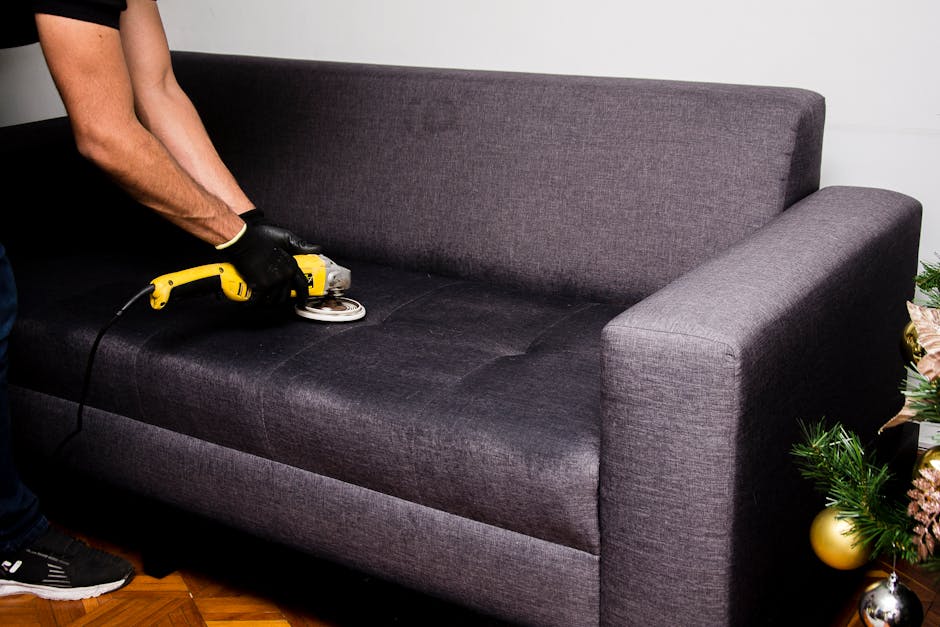
Willesden upholstery cleaning guide for period homes Brent
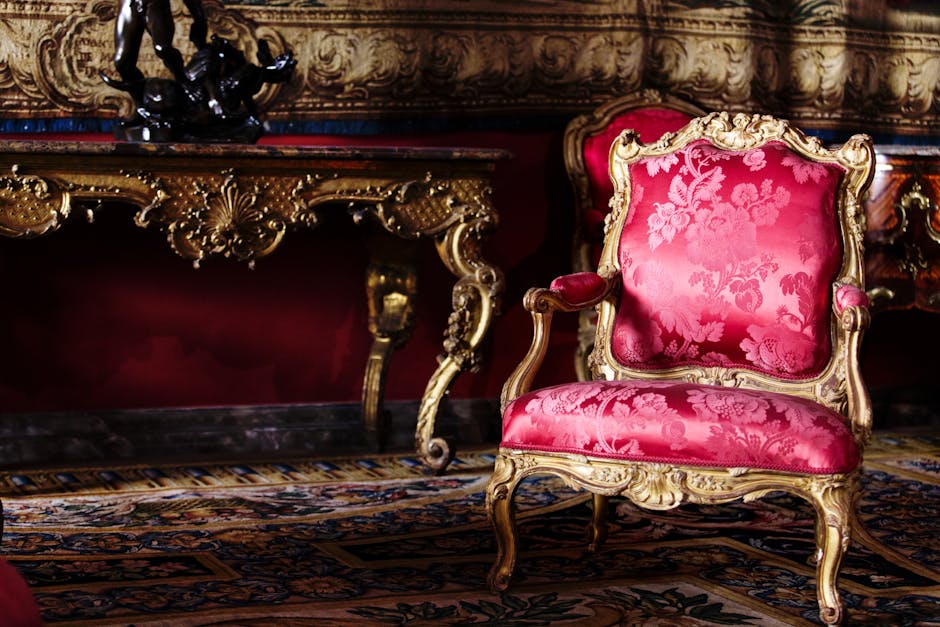
If you live in a period home in Willesden, you already know the furniture has a bit more character than the average flat-pack setup. Velvet armchairs, buttoned sofas, inherited dining chairs, maybe a worn but beautiful footstool that has seen decades of tea, dust, and family life. That charm is exactly why this Willesden upholstery cleaning guide for period homes Brent matters. The wrong cleaning approach can flatten fibres, leave water marks, or loosen delicate trims. The right one can revive colour, lift odours, and help your furniture last far longer.
This guide walks you through how upholstery cleaning works in older Brent properties, what to watch out for, which methods suit common fabrics, and when it makes sense to bring in a professional. It is written for real homes, not showroom perfection. Because let's face it, period homes are lovely, but they can be a bit unforgiving if you treat every fabric the same.
Why upholstery cleaning matters in period homes
Period homes in Willesden and the wider Brent area often contain furniture that has a stronger connection to the building than newer homes do. A Victorian sofa, an Edwardian dining chair, or a mid-century armchair can sit in a room with original mouldings, deep skirting boards, sash windows, and sometimes a slightly draughty feel in winter. That environment is part of the appeal, but it can also mean more dust, fluctuating moisture, and a greater chance of fabric wear showing up sooner.
Upholstery cleaning matters because fabric does not just look tired when it is dirty. It can hold on to odours, skin oils, pet hair, pollen, and everyday grime. In older properties, you may also notice that furniture picks up a dull look from fine dust settling in the weave. A careful clean can restore the appearance without stripping the fabric of its texture. That balance is the whole point.
There is another reason too: period furniture is often more expensive to replace than modern equivalents. Not necessarily because it is flashy, but because it is well made. Solid frames and natural materials are worth protecting. A rushed clean can do more damage than years of normal use. So yes, cleaning is cosmetic, but it is also preservation.
Expert summary: In period homes, upholstery cleaning is not about making everything look brand new. It is about removing embedded dirt safely, protecting delicate materials, and keeping older furniture comfortable, fresh, and structurally sound.
How upholstery cleaning works
At its simplest, upholstery cleaning removes contaminants from fabric, foam, and the hidden layers beneath the surface. The process usually starts with inspection. A cleaner needs to identify the fabric type, construction, stains, and any weak stitching or previous repairs. That first look matters far more than people think. A lovely-looking chair can hide a lot of trouble.
After inspection, the furniture is normally vacuumed thoroughly using suitable attachments. This removes loose dust, crumbs, pet hair, and grit. On older pieces, careful vacuuming is especially useful because dry debris can grind into the fibres during wet cleaning if it is left in place.
Next comes stain pre-treatment or spot treatment. This is where different soils need different responses. Grease, drink spills, makeup, and pet-related marks each behave differently. In many cases, a professional will test the cleaner on a hidden area first. That is not overcautious. It is smart.
Then comes the main cleaning stage. Depending on the material, that might involve low-moisture cleaning, hot water extraction, dry cleaning, foam cleaning, or hand cleaning with controlled product use. After that, the item is groomed and dried properly so the fabric keeps a clean, even finish. Drying matters more in older homes because poor airflow can leave upholstery damp for longer than expected.
If you need broader fabric care alongside your furniture, it can help to look at related services such as sofa cleaning, curtain cleaning, or the wider upholstery cleaning service. A lot of homes benefit from doing soft furnishings together rather than in isolation. It just feels more complete.
Key benefits and practical advantages
A proper upholstery clean offers more than a visual refresh. In a lived-in family home, it can genuinely change how the room feels day to day. You notice the difference when you sit down and the room smells cleaner, the fabric feels less sticky, and the colours look less grey around the arms and headrests.
- Improved appearance: fabric often regains contrast, depth, and a more even finish.
- Better indoor freshness: odours from food, pets, smoke, and general use are reduced.
- Longer furniture life: removing grit and built-up soil reduces wear on fibres.
- More comfortable living spaces: upholstery feels less dusty and more pleasant to use.
- Smarter upkeep: regular care can delay the need for reupholstery or replacement.
For period homes, there is also a psychological benefit. When a room is full of antique details, stained upholstery can stand out in the wrong way. Clean fabric helps the whole space feel cared for, even if the house itself is still gloriously imperfect. There is something satisfying about that, isn't there?
If your furniture is part of a larger household refresh, you might also pair it with one-off cleaning or deep cleaning so the room gets attention all at once. That is often the most sensible route before a gathering, a tenancy change, or simply after a long winter.
Who this guide is for and when it makes sense
This guide is for anyone in Willesden or Brent who owns upholstered furniture in an older property and wants to care for it properly. That includes homeowners, tenants, landlords, letting agents, interior-conscious renovators, and families who have inherited well-made furniture that deserves better than a quick wipe with a random spray bottle.
It makes sense when you notice visible dulling, localised stains, pet odours, or a general stale feel. It also makes sense after building dust, particularly in homes that have had work done around fireplaces, walls, or floors. In those cases, a professional clean may sit neatly alongside after builders cleaning because dust has a habit of settling in every soft surface imaginable. Annoying, but true.
You may also want this approach before a move, when preparing a home for sale, or when trying to keep a rental property presentable. If you are managing a home between tenants, upholstery can be overlooked while everything else gets attention. Then one day you sit down and think, oh no, that sofa has seen things.
Finally, this guide is useful if you are simply trying to decide whether DIY is enough. Sometimes it is. Sometimes it really is not.
Step-by-step guidance
1. Identify the fabric before you clean
Start by checking labels, maker notes, or any care instructions attached to the item. If there is no label, use a cautious approach. Natural fibres, silk blends, antique fabrics, and trimmed pieces often need gentler treatment than a standard synthetic sofa. If in doubt, assume the fabric is more delicate than it looks. That assumption saves a lot of grief.
2. Vacuum slowly and thoroughly
Use a soft upholstery attachment and move methodically over seams, piping, and creases. Hidden dust and grit often collect where cushions meet the frame. You do not need a dramatic amount of pressure. Gentle but persistent is better than aggressive and careless.
3. Test any product in a hidden spot
Before using anything wet, test it on an unseen area, such as the back edge or under a cushion flap. Look for colour bleed, pile flattening, or texture change. If the test area looks worse, stop. Really stop.
4. Treat stains individually
Do not assume all stains behave the same. A tea spill is not the same as body oil or red wine. Blot rather than rub. Rubbing tends to push the stain deeper and can disturb the weave. For stubborn marks, a targeted stain removal approach is usually safer than one universal cleaner. If the issue is very specific, a service like stain removal may be the better route than trying to improvise at home.
5. Choose the least aggressive effective method
For some fabrics, low-moisture cleaning is best. For others, a controlled hot water extraction works well. For especially delicate textiles, a specialist dry process may be more suitable. The goal is to get the fabric clean without saturating it or distorting it.
6. Dry properly
Airflow is your friend. Open windows where sensible, avoid sitting on the furniture too soon, and do not trap moisture with covers. In a period property with thick walls and older joinery, drying can take a little longer than you expect. It is not a race.
7. Finish with protection and maintenance
Once clean and dry, consider simple maintenance habits: regular vacuuming, prompt spill blotting, and occasional rotation of cushions if the design allows. A clean piece can go back to looking tired quickly if the household uses it hard every day, which, in fairness, most households do.
Expert tips for better results
Over the years, the biggest difference has usually come from patience. Not expensive products. Not a miracle spray. Patience. Older homes and older furniture both reward slow, careful work.
- Work from the least dirty area to the most dirty area. That helps avoid dragging grime across the whole piece.
- Keep water use controlled. Over-wetting can leave rings, warp fillings, or create long drying times.
- Use microfibre cloths for blotting, not scrubbing. Scrubbing creates friction and can rough up delicate pile fabrics.
- Check for hidden trims and loose stitching. A tiny tear can become a bigger problem once moisture and movement are involved.
- Think about the room, not just the furniture. Dusty curtains, old carpets, and a mouldy window ledge can undo the feeling of a clean sofa rather quickly.
If you want a broader refresh, it can be worth pairing upholstery care with carpet cleaning or even rug cleaning. In a period living room, the soft furnishings tend to influence each other. A clean chair beside a grubby rug looks unfinished. A bit unfair to the chair, really.
One more thing: if a piece has sentimental value, treat it as though it cannot be replaced. Because sometimes, truth be told, it cannot.
Common mistakes to avoid
Most upholstery damage during cleaning comes from overconfidence. That sounds harsh, but it is usually true. People see a stain and move too quickly.
- Using too much water: this can cause tide marks, shrinkage, or long drying times.
- Applying random household cleaners: some products leave residues or affect dye stability.
- Ignoring fabric type: velvet, silk, wool, linen, and blends all behave differently.
- Rubbing stains hard: this often spreads the mark or damages the pile.
- Skipping a test patch: if the hidden area reacts badly, you want to know before the front of the chair is involved.
- Cleaning only the stain: spot-only treatment can leave a visible patch or ring around the area.
A common period-home issue is cleaning without considering old finishes nearby. Maybe there is a polished wood arm nearby, or a painted skirting board close enough to catch overspray. The room itself needs protecting, not just the upholstery. A towel on the floor may look a bit old-school, but it works.
And yes, one small spill can become a large repair bill if it is handled badly. That is the part nobody mentions until it happens.
Tools, resources and recommendations
You do not need a shed full of gear. You need the right basics and a sensible plan.
| Tool or resource | What it is useful for | Best use in a period home |
|---|---|---|
| Upholstery vacuum attachment | Removing dust, crumbs, and grit | Gentle cleaning around trims, seams, and decorative edges |
| White microfibre cloths | Blotting spills and applying product carefully | Better control on delicate fabrics than coloured cloths that may bleed |
| Soft brush | Lifting surface dust or pile gently | Useful for velvet-style finishes and textured fabrics |
| Fabric test kit or hidden patch test | Checking colourfastness and texture response | Essential before any wet treatment |
| Low-moisture upholstery solution | Targeted cleaning without soaking the filling | Often a safer choice for older furniture |
If the furniture is part of a larger cleaning project, it can help to think in zones. For example, a living room refresh may include upholstery, curtains, windows, and hard floors rather than just one sofa. If that is your situation, services such as window cleaning and hard floor cleaning can make the room feel properly reset. Little details. They add up.
When a piece is especially valuable, consider professional inspection first. A decent cleaner should be able to tell you whether the item is suitable for wet cleaning, dry cleaning, or only light maintenance. That honesty is worth more than a confident guess.
Law, compliance, standards and best practice
For most homeowners, upholstery cleaning is mainly about good practice rather than heavy regulation. Still, there are sensible standards that reputable cleaning companies should follow. In the UK, that usually means using products safely, assessing risks properly, and avoiding damage to property or furnishings. If a company works in your home, you would reasonably expect them to act with care, communicate clearly, and carry suitable insurance.
That is especially important in period homes because older materials and features can be more vulnerable. A company should consider trip hazards from hoses or equipment, the stability of furniture legs, the suitability of electrical tools in the property, and whether ventilation is enough for drying. It sounds obvious, but these are the things that separate careful work from rushed work.
If you are comparing providers, it is sensible to ask about insurance and safety and how they handle risk in the home. You can also review the company's health and safety policy and terms and conditions before booking. Those pages often tell you a lot about how seriously a business treats the practical side of the job.
Payment and data handling matter too, especially when you request quotes online. It is normal to look for a clear payment and security approach and a straightforward privacy policy. None of this is glamorous, but it does build trust. Which, in a stranger's house with expensive furniture, is kind of the point.
Options, methods, or comparison table
Not every upholstery item needs the same approach. In fact, using the wrong method is one of the easiest ways to create avoidable damage. Here is a practical comparison:
| Method | Best for | Advantages | Watch-outs |
|---|---|---|---|
| Dry cleaning | Delicate fabrics, valuable antiques, moisture-sensitive materials | Very low moisture, reduced risk of shrinkage | May not remove heavy soiling as deeply as wet methods |
| Low-moisture cleaning | Everyday sofas, chairs, mixed-fabric upholstery | Controlled cleaning and faster drying | Needs careful product selection and technique |
| Hot water extraction | Robust synthetic upholstery and tougher grime | Can remove embedded dirt effectively | Not ideal for every period piece; over-wetting risk is real |
| Hand spot treatment | Small stains and touch-up maintenance | Targeted and economical | Can leave rings if used without blending the surrounding area |
If you are unsure which method fits your item, start by asking: does this piece contain a delicate fibre, old trim, unusual dye, or a structure that holds moisture poorly? If the answer is yes to any of those, gentler is usually better. No heroics needed.
Case study or real-world example
A fairly typical Willesden scenario goes like this. A family living in a late-Victorian terrace had a pair of upholstered armchairs in the front room. Lovely chairs, solid frames, but the fabric had gone slightly flat and one arm held the marks of years of tea, books, and somebody's loyal dog. The room also had thick curtains and an old wool rug, so dust settled faster than anyone liked.
They had tried a supermarket spray on one chair. It lightened the stain a little, but left a pale halo. Very frustrating. In the end, the better approach was a careful inspection, light vacuuming, controlled spot treatment, and low-moisture cleaning on the whole piece so the finish matched. The colour came back more evenly, the room smelled less stale, and the chairs looked like they belonged in the house again rather than being on the verge of retirement.
The useful lesson here was not that professional cleaning is magical. It is that older pieces often need an approach that treats the whole fabric, not just the visible mark. That is especially true when the furniture sits in a character home where dust, light, airflow, and old materials all work together in odd little ways.
Practical checklist
Use this before you clean any upholstered item in a period home:
- Check the fabric type or care label if one is available.
- Look for loose stitching, wobbly frames, or weak seams.
- Vacuum all surfaces, including creases and under cushions.
- Test any cleaner in a hidden spot.
- Blot stains gently rather than rubbing them.
- Choose the least aggressive method that will still do the job.
- Protect surrounding woodwork, flooring, and nearby soft furnishings.
- Allow enough drying time and ventilation.
- Inspect the result in daylight as well as indoor light.
- Keep a simple maintenance routine so dirt does not build up again.
If the piece has pet smells or persistent urine-related contamination, a specialist treatment may be needed rather than routine cleaning. In those cases, a service like pet stain odour removal can be more appropriate than general upholstery work alone. Sometimes the issue is deeper than the surface. No shame in that.
Conclusion
Period homes in Willesden deserve upholstery care that respects their age, their character, and the furniture that fills them. The main takeaway is simple: identify the fabric, clean gently, dry properly, and avoid treating every sofa or chair as if it were the same. A careful approach will usually give you better results than a rushed one, and it is much less likely to create damage you cannot undo.
Whether you are refreshing a treasured armchair, preparing a room for guests, or trying to bring a bit of life back to a tired family sofa, thoughtful upholstery cleaning can make a room feel calmer and more welcoming. Small improvements matter. They really do.
If you are planning a wider home refresh, it can help to combine upholstery care with other relevant services such as domestic cleaning or house cleaning so the whole property feels cared for, not just one corner of it. And if you are simply weighing up your options, take your time. Good furniture deserves that much.
Get a free quote today and see how much you can save.
Frequently Asked Questions
What is the best upholstery cleaning method for period homes in Willesden?
Usually the safest choice is the least aggressive method that still removes the soil effectively. That may be low-moisture cleaning or dry cleaning for delicate fabrics. Older furniture often benefits from caution rather than force.
Can I clean antique upholstery myself?
You can handle light vacuuming and careful blotting, but antique or fragile upholstery is best treated conservatively. If the fabric is old, faded, silk-based, or structurally weak, professional assessment is a smarter move.
How often should upholstery be cleaned in a period home?
That depends on use, pets, dust levels, and whether the home has children or heavy footfall. For many households, a deeper clean every so often plus regular vacuuming is a sensible rhythm.
Will upholstery cleaning remove old stains completely?
Not always. Some stains become permanent over time, especially if they have set into the fibres or affected the dye. A good cleaner can often improve them significantly, but nobody should promise miracles.
Does upholstery cleaning take a long time to dry?
Drying time depends on the method, fabric, and room ventilation. In older homes, drying can take longer because airflow may be slower and walls may hold moisture more readily.
Is steam cleaning safe for all upholstery?
No. Steam or hot-water methods suit some robust fabrics, but they are not ideal for every period piece. Delicate textiles, antique upholstery, and moisture-sensitive materials need a gentler approach.
How do I know if my sofa needs professional cleaning?
If vacuuming no longer helps, the fabric looks dull, smells stale, or stains keep reappearing, it is probably time. If you are hesitating because the piece is valuable, that is also a fair reason to get advice.
Can upholstery cleaning help with pet odours?
Yes, sometimes. Surface odours and light contamination can often be improved, but deeper odours may need a specialist treatment. Severe cases are often better handled with targeted pet stain and odour work.
What should I ask a cleaner before they work on period furniture?
Ask about fabric testing, drying times, insurance, their method for delicate textiles, and what they do if a piece reacts badly. Clear answers are a very good sign.
Can upholstery cleaning damage old furniture?
It can if the wrong product or method is used. That is why inspection, test patches, and controlled moisture levels matter so much. Careful work is usually safe; rushed work is where trouble starts.
Is it worth cleaning upholstery if I plan to reupholster later?
Often, yes. A clean piece can be more pleasant to use in the meantime, and in some cases it helps you assess the underlying condition more honestly before deciding on reupholstery.
What other cleaning services go well with upholstery cleaning?
In period homes, soft furnishings often benefit from being tackled alongside carpets, rugs, curtains, and general house cleaning. A joined-up approach usually gives a better result than cleaning one item in isolation.